PRESS RELEASES | 2025
City of Vincent becomes the first council in Western Australia to support the Plant Based Treaty
Municipality commits to incorporating plant-based principles into its sustainability strategies, as scientific evidence shows that food system transformation is critical for human and planetary health.
The City of Vincent has become the first municipality in Western Australia to support the goals of the Plant Based Treaty, passing a motion in September 2025 to incorporate plant-based principles across the city’s operations, strategies, and plans related to sustainability, waste, and community health.
The Plant-based food systems motion was tabled by Councillor Jonathan Hallett and Mayor Alison Xamon after community consultation on the city’s updated Sustainable Vincent Framework and Enhanced Environment Strategy.
At an August Council briefing that discussed the Plant Based Treaty, Mayor Alison Xamon highlighted its potential. “It’s such an enormous and significant part of sustainability”, she said, and asked the Manager of Strategic Planning and Sustainability to consider its principles in further Council policies, including those addressing public health.
Media Contacts:
- Lana Dzananovic, Plant Based Treaty Perth volunteer, [email protected]
- Cat Laurence, Plant Based Treaty Australia campaigner, [email protected]
Media Assets:
Download here
Media Contacts:
- Lana Dzananovic, Plant Based Treaty Perth volunteer, [email protected]
- Cat Laurence, Plant Based Treaty Australia campaigner, [email protected]
Media Assets:
Download here
The City of Vincent has become the first municipality in Western Australia to support the goals of the Plant Based Treaty, passing a motion in September 2025 to incorporate plant-based principles across the city’s operations, strategies, and plans related to sustainability, waste, and community health.
The Plant-based food systems motion was tabled by Councillor Jonathan Hallett and Mayor Alison Xamon after community consultation on the city’s updated Sustainable Vincent Framework and Enhanced Environment Strategy.
At an August Council briefing that discussed the Plant Based Treaty, Mayor Alison Xamon highlighted its potential. “It’s such an enormous and significant part of sustainability”, she said, and asked the Manager of Strategic Planning and Sustainability to consider its principles in further Council policies, including those addressing public health.
In the motion that passed 5:1, the council:
- RECOGNISES the critical role of food systems and supporting initiatives such as the Plant Based Treaty in addressing the current climate crisis;
- ACKNOWLEDGES that transitioning to plant-based food systems aligns with the City’s existing priority areas, including climate action, biodiversity conservation, water management, and public health; and
- REQUESTS the Chief Executive Officer to:
3.1 Investigate opportunities to incorporate plant-based principles throughout the City’s operations, strategies and plans related to sustainability, waste and community health, and improve community education to increase awareness of the benefits of a plant-forward diet; and
3.2 Engage with plant-based organisations such as the Plant Based Treaty, stakeholders and advocates to explore best practice to inform the City’s policy setting and advocacy efforts.
Comprehensive integration across City strategies
Following community feedback, the City has updated its 2025-2030 Enhanced Environment Strategy to include two key sections addressing food systems:
- Greening our Food Future: “In alignment with sustainable food principles, such as the Plant Based Treaty, the City will promote land uses that support community food growing and opportunities for urban agriculture.”
- Sustainable Food Systems: “The City recognises the role of food systems in contributing to global greenhouse gas emissions, land degradation, and resource use. In alignment with the principles of the Plant Based Treaty and broader circular economy strategies, the City will promote plant-based diets and sustainable food choices that reduce environmental impacts, support regenerative agriculture, and avoid unnecessary food waste.”
In a statement about the Plant Based Treaty in August, the city’s Strategic Planning & Sustainability Manager affirmed its alignment with the EES priorities of “reducing food-related emissions, supporting urban greening and agriculture, and fostering a circular economy,” further noting that these principles cross over with themes of “water conservation and management, urban greening and biodiversity, and resource recovery and waste.”
Plant-based principles will also be integrated into the City’s:
- Public Health Plan – promoting healthy and sustainable food environments
- Climate Transition Action Plan – exploring opportunities to reduce emissions through food production, food waste, and sustainable consumption
- Waste Strategy – minimising food waste and improving circular processes
- Healthy Food and Drink Policy – leading by example in food provision at City facilities and events
The rationale for the motion outlined the strength of the Plant Based Treaty as a framework for local governments to tackle the interconnected challenges of climate change, biodiversity loss, and food security through coordinated evidence-based dietary transition initiatives. As it states, “Growing global populations will intensify pressure on our food systems over the coming decades, creating converging challenges across agriculture, processing, distribution, and consumption. Research consistently demonstrates that our current food system (particularly livestock production) drives multiple environmental crises that extend far beyond greenhouse gas emissions.”
Local resident and Plant Based Treaty Perth volunteer, Lana Dzananovic, participated in the public consultation process and addressed the Council in August 2025, highlighting the environmental, health and social benefits of plant-based food systems and urging the city to support the Plant Based Treaty. She said, “It’s wonderful to see the City of Vincent take community feedback on board and embrace plant-forward food systems in their sustainability and public health documents. This creates opportunities to support residents through education, improved access to healthy, sustainable food, and initiatives such as community gardens and food rescue programs. I’m very pleased that they are the first City in Western Australia to support the Plant Based Treaty, showing the way forward in addressing interconnected climate, water, biodiversity and public health challenges.”
Background
Plant Based Treaty is calling for a global agreement that aligns the food system to the Paris Agreement, along with the implementation of best practices in plant-based food policy at the city and institutional levels. The proposed treaty has been endorsed by more than 60 cities, including Darebin, Los Angeles, Amsterdam and Edinburgh, and has received support from 260,000 individual endorsers, 5 Nobel laureates, IPCC scientists, and more than 4,000 groups and businesses, including The Australian Vegetarian Society (NSW), Animals Australia, Animal Justice Party and chapters of Greenpeace and Friends of the Earth.
Plant Based Treaty has been featured in…

































More from the Press Centre
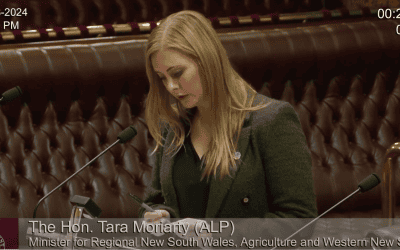
Emma Hurst MP tells the NSW Parliament that the Plant Based Treaty is “both practical and solution-based” as she urges cities nationwide to endorse it following Darebin’s lead
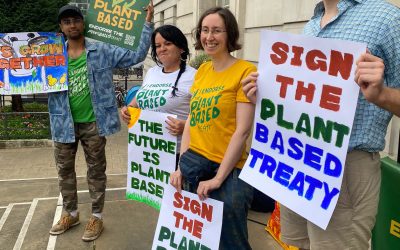
Hackney Council invited to endorse Plant Based Treaty and create a plant-based action plan to address the climate and ecological crisis
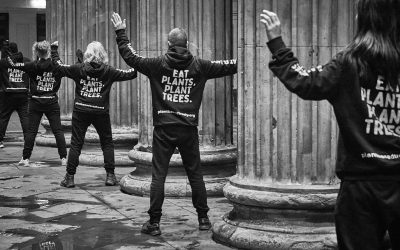
Darebin becomes the first city in Australia to endorse the call for a global Plant Based Treaty to address food emissions
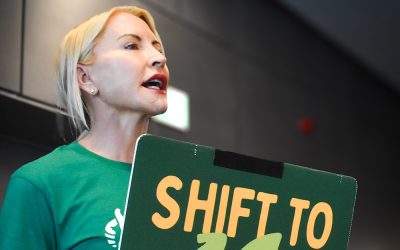
Heather Mills sparks protest inside the Bonn Climate Convention dining hall, telling people “If you care about the planet, eat vegan for your lunch”

Heather Mills plans protest at Bonn Climate Conference to call for a global Plant Based Treaty to address food emissions
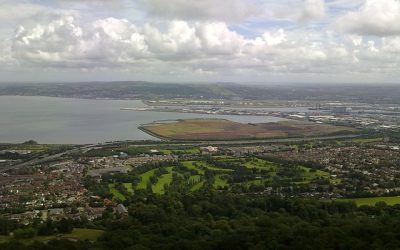
Belfast endorses Plant Based Treaty in response to the climate crisis and food insecurity

Rainbow Lake becomes the first town in Canada to endorse the call for a Plant Based Treaty in response to the climate emergency
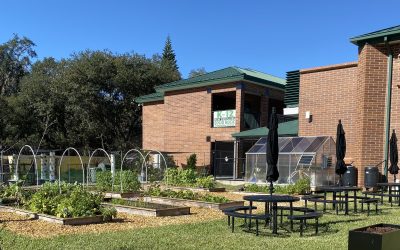
Solid Rock Community School Advocates for Environmental, Health, and Ethical Sustainability by Endorsing the Plant Based Treaty
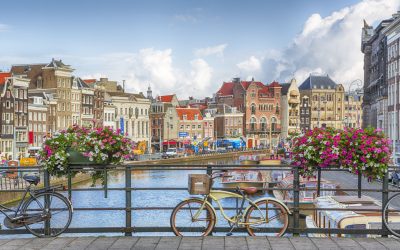
Amsterdam becomes the first EU capital city to endorse the call for a Plant Based Treaty in response to the climate emergency
Media Contacts:
Lea Goodett
[email protected]
Lisette Weustenenk
[email protected]