Madrid – October 1, 2025 – On September 23 and 24, Parla and Alcorcón hosted representatives from Plant Based Treaty Spain to advance specific commitments after endorsing the initiative earlier this year. The meetings focused on sharing progress, discussing local strategies, and setting the foundation for actions to lower greenhouse gas emissions from the food system in alignment with the Paris Agreement. Emphasis was placed on promoting healthy, plant-based diets to enhance public health and protect the planet.
In Alcorcón, the city government—almost fully assembled—briefed our representatives on ongoing measures, including public awareness campaigns that highlight the importance of decreasing animal-based product consumption in favor of plant-based options diets. Acknowledging the wide scientific agreement that these diets are healthier and more sustainable, Alcorcón is actively incorporating clauses into municipal contracts to encourage their adoption. Additionally, the city is enhancing green spaces—initiatives that demonstrate a firm commitment to advancing the Plant Based strategy Treaty.
Eduardo Olano, a family physician and Councilor for Public Health, Consumer Affairs, and Animal Welfare, who is spearheading the city campaign, stated:
Media Contacts:
- Enric Noguera, Plant Based Treaty España, +34 608 77 90 05, [email protected]
- Marina Vall-llosada, Plant Based Treaty España, +34 676 76 23 11, [email protected]
Media assets: https://drive.google.com/drive/u/0/folders/17ovxyBvm4aa0fhHFElM-k3eJQMIfv5wb
Media Contacts:
- Enric Noguera, Plant Based Treaty España, +34 608 77 90 05, [email protected]
- Marina Vall-llosada, Plant Based Treaty España, +34 676 76 23 11, [email protected]
-
Media assets: https://drive.google.com/drive/u/0/folders/17ovxyBvm4aa0fhHFElM-k3eJQMIfv5wb
July 17, Alcorcón, Spain — The city of Alcorcón has become the 3rd Spanish city in 8 weeks to endorse the call for a global Plant Based Treaty. They join 42 cities, including Parla and El Masnou in Spain, and other European cities such as Amsterdam, Edinburgh and Belfast. Alcorcón has made a commitment to promote healthy diets to prevent cardiovascular disease, the leading cause of death in Spain.
The government of Alcorcón made a public statement at their plenary session on Wednesday, 16 July, to announce the endorsement. They stated: “The current diet, rich in animal protein and processed foods, combined with a more sedentary lifestyle, is causing an increase in obesity, overweight, and associated chronic diseases that diminish the health of the population and increase healthcare costs… We are experiencing a climate emergency that requires rapid, strong, and sustained reductions in greenhouse gases, and that means addressing emissions from our food system. If we were to shut down all fossil-fueled engines, emissions from our food system would increase global temperatures by more than 1.5 °C.”
“Alcorcón’s commitment to the Plant Based Treaty clearly supports a healthier, fairer, and more sustainable future. Better nutrition not only enhances our quality of life but also eases the strain on the healthcare system, reduces the impact of climate change, and moves us closer to a model that treats animals with respect.”
In Parla, the discussion centered on how diet affects public health, highlighting that the city’s life expectancy is four years shorter than that of other northern Madrid towns. Local officials view the Plant Based Treaty as a means to shift the food system in a way that improves both environmental sustainability and residents’ health. Miguel Fuentes, Spokesperson for the Más Madrid Municipal Group and Councilor for the Department of Ecological Transition, who leads the campaign in Parla, said: “Our endorsement of the treaty places the food system at the forefront of local efforts to combat the climate crisis. This involves committing to changes in school canteen menus, public procurement policies, urban garden initiatives, and launching campaigns to raise public awareness.”
A study by ISGlobal ranks Parla as the eighth most sustainable city in Europe. This ranking aligns with the city’s political commitment to ongoing sustainability efforts. The city council intends to establish forums for dialogue and public outreach to emphasize the significance of plant-based diet initiatives.
Similar to Alcorcón, efforts will also be strengthened in natural areas to enhance biodiversity and develop more climate-resilient environments. These include establishing citizen-managed urban gardens to encourage plant-based eating and food sovereignty.
The commitment and readiness of both cities mark an important first step toward creating a plan to meet the criteria specified in their respective agreements. This involves updating public procurement policies, increasing awareness and educating residents about the benefits of plant-based diets, promoting plant-forward options in school cafeterias, and improving urban biodiversity.
After the meetings, Marina Vall-llosada, the coordinator of the Plant Based Treaty’s Cities Campaign in Spain, stated: “Parla and Alcorcón have demonstrated that endorsing the Plant Based Treaty leads to positive change, encouraging people to adopt more plantbased diets. Food production is responsible for one-third of greenhouse gas emissions, and by emphasizing plant-based foods, we can simultaneously tackle the climate crisis, protect biodiversity, and improve public health. Parla and Alcorcón are paving the way and setting a strong example for other municipalities.”
Parla became the first Spanish city to support the Plant Based Treaty in May, passing a motion with 16 votes in favor and 11 against. The motion acknowledged that livestock farming “disproportionately contributes to climate change, biodiversity loss, water and air pollution, and food and territorial injustice.”
Shortly after, Alcorcón joined in, committing to halt deforestation driven by livestock expansion and promoting plant-based diets to lower cardiovascular diseases—the leading cause of death in Spain. The city declared:
“We are living through a climate emergency that demands rapid, bold, and sustained decreases in greenhouse gas emissions, including addressing emissions from our food system. Even if we stopped all fossil fuel engines today, emissions from our food system alone would still increase global temperatures by more than 1.5 °C.”
From Amsterdam to Los Angeles, 50 cities and subnational governments across six continents have endorsed the call for national governments to negotiate a Plant Based Treaty as a companion to the Paris Agreement. The initiative is supported by more than 250,000 individuals, five Nobel laureates, IPCC scientists, and over 4,000 organizations and companies—including Heüra, the Jane Goodall Institute, the Spanish Society for Responsible Nutrition and Medicine (SENUMER), the Association of Residents in Preventive Medicine and Public Health (ARES MPSP), and the Madrid Association for Public Health (AMaSaP).
The movement has also received support from cultural figures like Paul, Mary, and Stella McCartney, who stated: “We believe in justice for animals, the environment and people. That’s why we support the Plant Based Treaty and urge individuals and governments to sign it.”
Background
The Plant Based Treaty is modeled on the Fossil Fuel Non-Proliferation Treaty, and since its launch in August 2021, the initiative has received support from more than 50 cities, almost a quarter of a million individual endorsers, five Nobel laureates, IPCC scientists, and more than 4000 groups and businesses, including Heura, Jane Goodall Institute, Sociedad Española de Nutrición y Medicina Responsables (SENUMER), La Asociación de Residentes de Medicina Preventiva y Salud Pública (ARES MPSP), and La Asociación Madrileña de Salud Pública (AMaSaP)
The Plant Based Treaty has secured high-profile endorsements from celebrities, including Paul, Mary and Stella McCartney, who issued a written statement calling for politicians to support the Plant-Based Treaty. They said: “We believe in justice for animals, the environment and people. That’s why we support the Plant Based Treaty and urge individuals and governments to sign it.”
Plant Based Treaty has been featured in…






























More from the Press Centre
Somerville joins Cambridge as second city in Massachusetts to call for a global Plant Based Treaty, one of 70 cities worldwide
Media Contacts:
Anita Krajnc: [email protected]
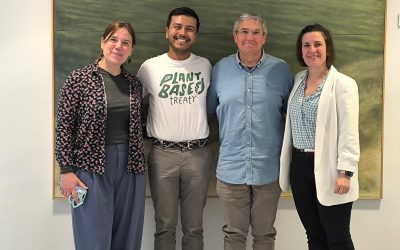
Getafe becomes the fifth city in Spain to endorse the Plant Based Treaty
Media Contacts:
Anita Krajnc: [email protected]
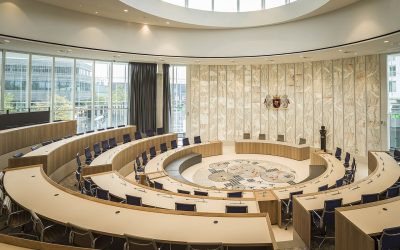
Almere becomes sixth Dutch city to sign Plant Based Treaty, targeting 60% plant-based diet by 2030
Media Contacts:
Lea Goodett: [email protected]
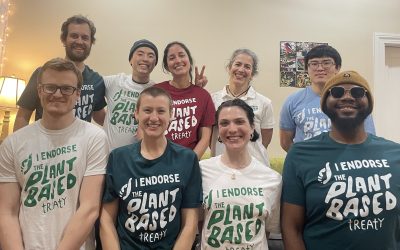
Cambridge becomes first city in Massachusetts to call for a global Plant Based Treaty, joining 65 cities worldwide
Media Contacts:
Lea Goodett: [email protected]
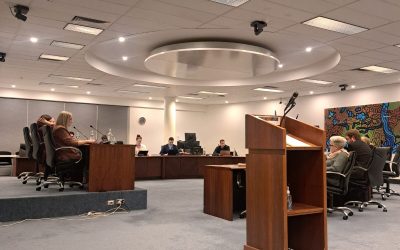
City of Vincent becomes the first council in Western Australia to support the Plant Based Treaty
Media Contacts:
Lea Goodett: [email protected]

Amsterdam advances food and climate action with second motion to implement Plant Based Treaty’s 40 proposals
Media Contacts:
Lea Goodett: [email protected]
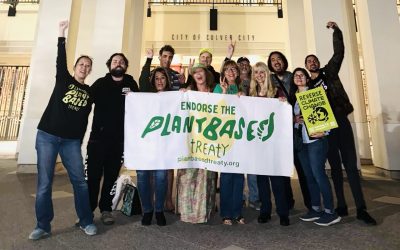
Culver City becomes the 58th city to endorse the call for a global Plant Based Treaty
Media Contacts:
Anita Krajnc: [email protected]
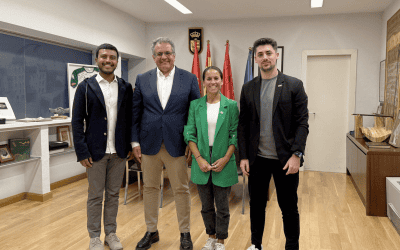
Parla and Alcorcón Advance the Implementation of the Plant Based Treaty
Media Contacts:
Enric Noguera, Plant Based Treaty Spain, +34 608 77 90 05, [email protected]
[email protected]
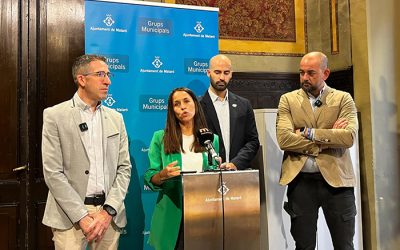
Mataró becomes the fourth Spanish municipality, and the second in Catalonia, to endorse the Plant Based Treaty
Media Contacts:
Enric Noguera, Plant Based Treaty Spain, +34 608 77 90 05, [email protected]
[email protected]