October 9 2025 — Groningen has officially signed the Plant Based Treaty, joining Amsterdam and Nijmegen as the third Dutch city, and the 51st city worldwide, to endorse the call for a global treaty which facilitates a transition to sustainable, plant-based food systems to address the climate crisis.
In a statement, signed by Kirsten de Wrede, the Vice-mayor of the Protein Transition, on behalf of the board of mayors and vice mayors, Groningen recognizes that the way we produce, consume and distribute food significantly contributes to climate change, with meat and dairy in particular, resulting in high greenhouse gas emissions.
Media Contacts:
- Lea Goodett
Plant Based Treaty Netherlands campaigner
[email protected]
+31 6 10055080 - Global: [email protected]
- Media assets: Available here
Media Contacts:
- Lea Goodett
Plant Based Treaty Netherlands campaigner
[email protected]
+31 6 10055080 - Global: [email protected]
- Media assets: Available here
October 9 2025 — Groningen has officially signed the Plant Based Treaty, joining Amsterdam and Nijmegen as the third Dutch city, and the 51st city worldwide, to endorse the call for a global treaty which facilitates a transition to sustainable, plant-based food systems to address the climate crisis.
In a statement, signed by Kirsten de Wrede, the Vice-mayor of the Protein Transition, on behalf of the board of mayors and vice mayors, Groningen recognizes that the way we produce, consume and distribute food significantly contributes to climate change, with meat and dairy in particular, resulting in high greenhouse gas emissions.
Leading the Way in the Protein Transition
In 2012, Groningen, the largest city in the north, became the first Dutch municipality to adopt a food policy and the first to appoint a vice mayor for a protein transition.
The Plant Based Treaty endorsement commits Groningen to transitioning to more sustainable plant-based food systems in climate policy. The city has set a goal to establish a healthy, sustainable food system by 2050, where healthy, sustainable plant-based food is accessible to everyone in the community.
Groningen’s Food and Protein Transition Roadmap 2024–2030 sets ambitious goals:
- Achieving a 60% plant-based and 40% animal-based protein consumption ratio by 2030 and a 70% / 30% ratio by 2050
- By 2050, using 50% less fertile arable land for animal feed production, ensuring that fertile farmland is primarily used to grow food for human consumption.
Kirsten de Wrede, Vice-mayor of the Protein Transition, said, “With this support and the Food and Protein Transition Roadmap, the Municipality of Groningen aims to accelerate the shift toward a more sustainable and plant-based food system. We hope to inspire other municipalities to join us.”
Lea Goodett, Plant Based Treaty Netherlands campaigner, said, “Groningen’s commitment to a Plant Based Treaty will strengthen food security by ensuring that fertile land is used efficiently to grow crops for direct human consumption, reducing the risk of soil depletion and future food shortages caused by intensive animal farming and climate-related crop failures.”
Collaboration, Education, and Local Partnerships
Collaboration and education are key to Groningen’s approach. The municipality works closely with schools, farmers, entrepreneurs, and local food initiatives to make plant-based foods more accessible to all. Through cooking lessons, recipe programs, and educational projects, especially under the City Deal Healthy and Sustainable Food Environment, Groningen empowers its residents to make healthy and sustainable food choices.
Recognizing the economic significance of the agricultural sector, Groningen supports farmers in adapting to a changing food landscape. The city promotes short and local supply chains and helps farmers develop sustainable, future-proof business models that align with the goals of the food transition.
Background
51 municipalities worldwide, including major cities such as Los Angeles, Edinburgh, and Belfast have endorsed the call for national governments to negotiate a global Plant Based Treaty. In the Netherlands, Amsterdam became the first EU capital to sign in January 2024 followed by Nijmegen in March 2025. Over 4,000 businesses and organizations and more than 250,000 individuals, including IPCC scientists and Nobel Prize winners Klaus Hasselmann and Carlos Nobre, support the call for a Plant Based Treaty.
Plant Based Treaty has been featured in…

























More from the Press Centre
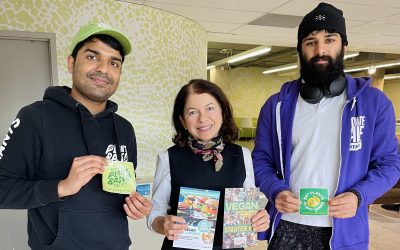
Campus cafe “La Taula Verde” championing plant-based dining for the month of Veganuary
Media Contacts:
Yarim Hinojosa
[email protected]
Uday Singh
[email protected]
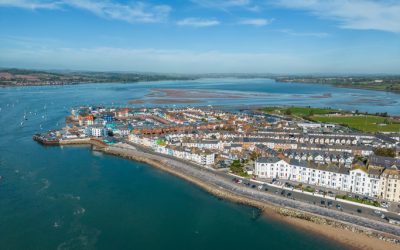
Exmouth signs Plant Based Treaty to reduce the town’s carbon footprint
Media Contacts:
Andrew Garner
[email protected]
[email protected]
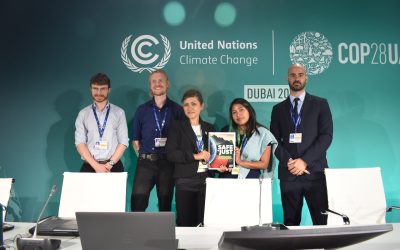
Report launched at COP28 says it’s time to negotiate plant-based diet change to protect climate and other planetary boundaries in peril
Media Contacts:
[email protected]
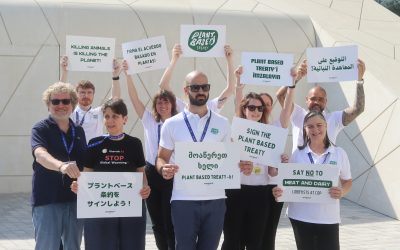
Protest by a coalition of groups demands a Plant Based Treaty to be negotiated at COP28
Media Contacts:
[email protected]
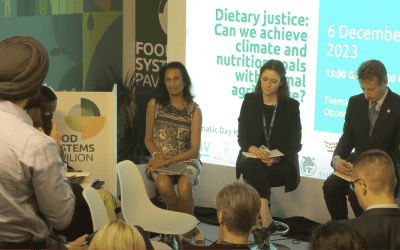
Environmentalists challenge Big Ag greenwashing at COP28 Food Systems Pavilion
Media Contacts:
[email protected]
[email protected]
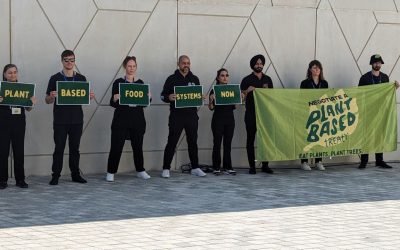
Protesters call out, “Put meat on the agenda, not on the menu!” at COP28
Media Contacts:
[email protected]
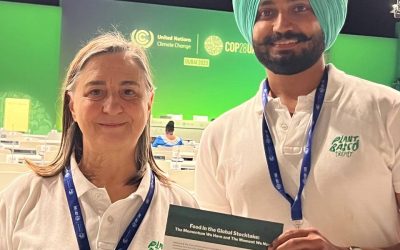
Plant Based Treaty comments on COP28 UAE Declaration on Sustainable Agriculture, Resilient Food Systems and Climate Action and says countries must deliver plant-based food strategies before COP30
Media Contacts:
[email protected]
[email protected]

Lambeth becomes first London Borough to endorse the call for a Plant Based Treaty in response to the climate crisis.
Media Contacts:
[email protected]
[email protected]
Interfaith Leaders Urge Pope to Include Kindness to Animals in October 4 Encyclical
Media Contacts:
[email protected]