Blog
6 More Important Calls To Action From The Safe And Just Report – Part Two
June 4, 2025
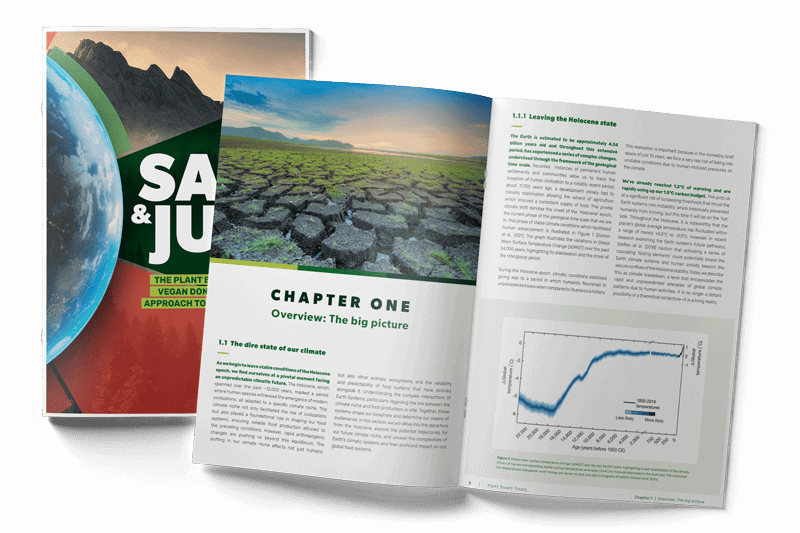
We must put into action the Plant Based Treaty’s Safe And Just Report and their vegan donut economics approach to the food system so we can safely live within our planetary boundaries and protect the earth. The report outlines 12 crucial calls to action and the first six cover many important topics from food security to banning the live export of animals. The final six calls to action include greening cities, land equality, and the importance of reforestation, all with a theme of shifting away from meat and dairy products. Change begins on your plate.
1. Transparency And Honest Labelling
There is the potential to change consumer food choices using honest labelling and transparency and away from the confusion that currently exists, as there is no standard or legal requirement for carbon labelling. According to the report,“83 percent of the British population supports the introduction of easy-to-understand eco-labels across various product sectors.”
When it comes to reducing greenhouse gas emissions, the foods we eat matter much more than how far the items have actually travelled to get to the store. So although labels depicting locally made items may tempt customers, they also create confusion if the product is from animals, and therefore nothing more than greenwashing.
Researchers from Durham University’s Department of Psychology added cigarette style graphic warning labels to meat products in a new study. “Our researchers tested three labels warning people of the damage to either climate, health, or risk of pandemics. They found that all labels were effective at discouraging people from choosing meals with meat.”
The warning labels displayed a graphic image with text and helped reduce meat selections by seven to ten percent. The study stated people preferred the climate warnings and found them the most credible. This transparency and honest labelling is an important initiative that will help shift consumer food choices and presents an opportunity to redirect subsidies away from meat and dairy.
2. Finance Plant-based Systems

The 2023 World Bank report, Detox Development: Repurposing Environmentally Harmful Subsidies, explains that trillions of dollars every year of subsidies for fossil fuels, farming, and fishing are causing environmental havoc to our earth. They state this is destroying our planet by “driving the degradation of the world’s foundational natural assets – clean air, land, and oceans.”
Want to help end planet killing subsidies? Write to Members of Parliament, Senators, and Lawmakers in your city using this sample letter and demand the redirection of subsidies through a sustainable Plant Based Treaty.
3. Reforestation And Rewilding
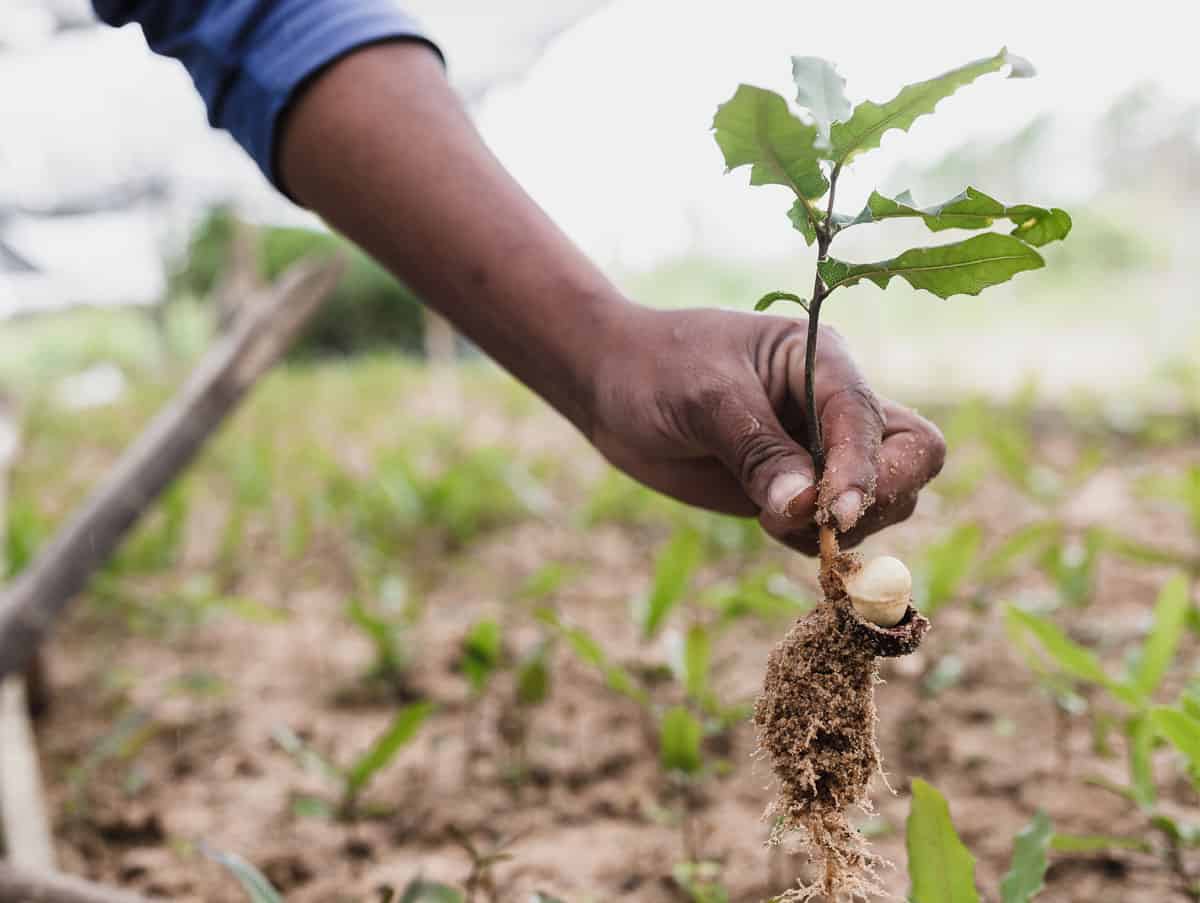
One of the main causes of deforestation and habitat loss is animal agriculture and our earth has already lost one third of its forest cover. Animal agriculture, including feed production, animal grazing and farm units, are responsible for occupying a staggering 83 percent of the earth’s farmed land.
As reported in The Guardian, “Avoiding meat and dairy products is the single biggest way to reduce your environmental impact on the planet, according to the scientists behind the most comprehensive analysis to date of the damage farming does to the planet.”
They continue, “The new analysis shows that while meat and dairy provide just 18% of calories and 37% of protein, it uses the vast majority – 83% – of farmland and produces 60% of agriculture’s greenhouse gas emissions.”
4. Greening Cities
“We need 20-25 per cent of every 1 km2 of urban environments to be covered by greenery, since this is the distance pollinating and beneficial insects travel”, the report states.

It’s important for cities to prioritize community gardens and urban green spaces and this can vary depending on landscape type and climate. For example, rooftop farming is imperative and beneficial so cities can meet the increasing demand for food, decrease carbon emission, enhance air quality, and reduce the cost of stormwater management.
The Rurban Revolution project at Lancaster University found that “if all urban green spaces were converted to food production, and used efficiently, they would collectively have the capacity to support food output eight times that of the current UK fruit and vegetable production.” – University of Liverpool
In the UK about one percent of urban space is used for food production, but if all urban green spaces were maximized to grow food, this would increase the UK’s fruit and vegetable production by 800 percent.
5. Food Justice
Food justice is crucial because approximately 3 billion people can’t afford a healthy diet, and over 3 billion people suffer one or more manifestations of poor nutrition.
“Globally, poor diets are the main contributor to the global burden of disease, accounting for 20 percent of premature disease-mediated mortality worldwide.” Safe and Just report
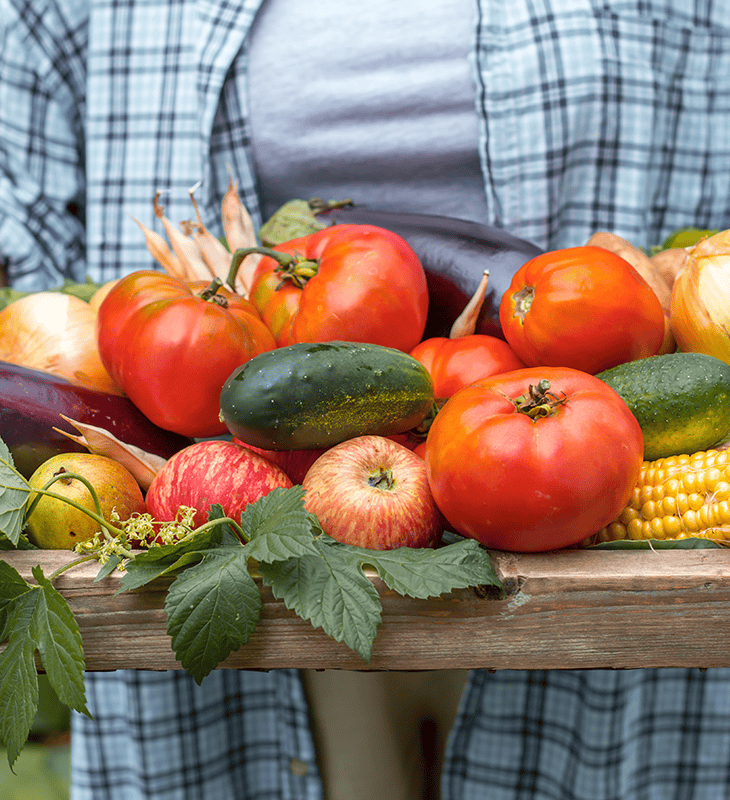
It should be a basic human right that everyone can access healthy and nutritious food. Food distribution and subsidy systems can address this problem by utilizing community gardens, food redistribution, and reducing food waste. Let’s transition away from harmful animal agriculture and move towards a more sustainable plant-based food system, not just for human health and our earth, but for the farmed animals killed. Furthermore, this switch is beneficial to employees currently working in unsafe environments in the animal agriculture industry, including children.
“60 percent of all child labourers in the age group 5-17 years work in agriculture, including farming, fishing, aquaculture, forestry, and animal farming. This amounts to over 98 million children.” – Safe and Just report
6. Land Equity
70 percent of all farmland is operated by just one percent of the world’s farms. As explained in the report, “Land equity is related to equitable distribution of land and whether key ecosystems are considered part of the global commons. Currently, there is a high concentration of ownership in farms, distorting what food is produced, which is based more on profit than meeting human needs and environmental protection.”

Land inequality contributes to water shortages and food insecurity and has made the climate crisis worse. But there is strong potential for improvement should land be equitably distributed and put into community hands moving forward, instead of the current method with pension funds being major holders of land. One of the issues with this is they often invest in crops like corn and soy that’s in turn used to feed animals on farms as part of meat and dairy industries. But other plant-based foods such as legumes packed with nutrition can be grown and used to feed humans while improving soil quality. Other benefits of community owned land are more green spaces, edible gardens, reforestation, and an overall increase in biodiversity and food security. It’s a win for everyone.

Miriam Porter is an award-winning writer who writes about veganism, social justice issues, and eco-travel. Miriam currently lives in Toronto with her son Noah and many rescued furry friends. She is a passionate animal rights activist and speaks up for those whose voices cannot be heard.
More from the blog

Beyond Fossil Fuels in Santa Marta: The Importance of Ambitious Action for Climate Governance
By Miriam Porter

Fighting Hypertension With The Power of Plants
By Miriam Porter

Obesity Is An Epidemic: Join Our 30 Day Green Smoothie Challenge
By Miriam Porter