Blog
What Contributes To Food Waste And What Can We Do About It?
December 23, 2024
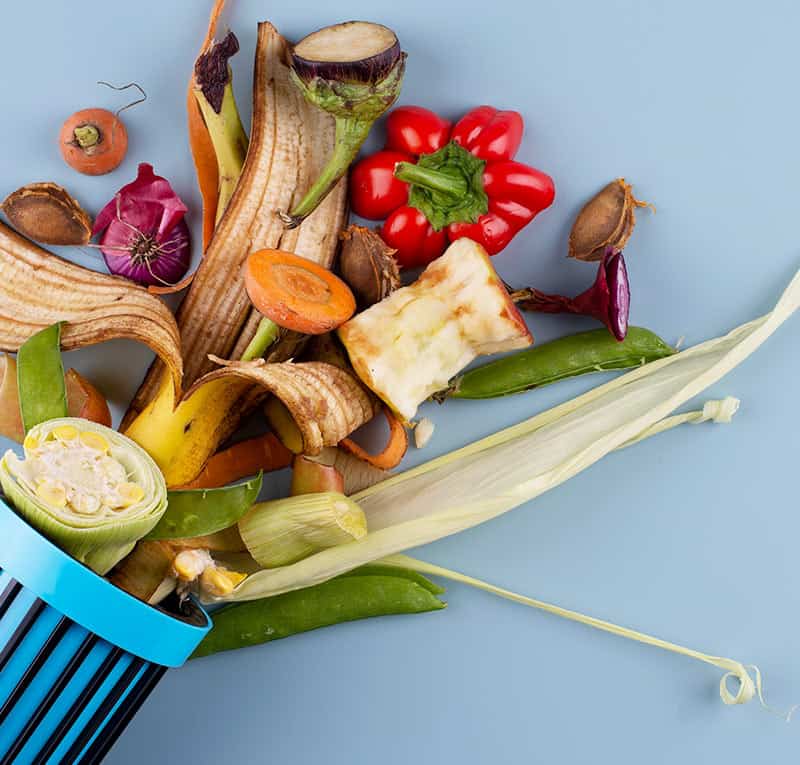
Food waste is a serious issue that demands our immediate attention. What we eat and our food habits directly affect the climate and our earth. Food that is produced and not eaten ends up in landfills which creates methane, but we can reduce greenhouse gas emissions by reducing food waste and loss. Food waste can be caused by several reasons including overbuying, spoilage, poor planning, confusion over food labels, incorrect storage, or cooking more food than we need and throwing out leftovers. Food loss can happen at all stages of production in the supply chain such as transportation, processing, over-ordering, and discarding imperfect produce.
“According to the UN Environment Programme, about one-third of food produced globally for human consumption, each year is lost or wasted. That is approximately 1.3 billion tonnes of edible food.”, as explained by Made in CA.
In Canada, the “yearly food waste is equivalent to 9.8 million tonnes of CO2”, 45% of which is from fruits and vegetables. Despite this, “4 million Canadians, including 1.2 million children live in food insecure households.”
In the United States, “food waste is estimated at between 30-40 percent of the food supply.” Yet in 2023, “13.8 million children lived in households that experienced food insecurity.”
Although Canada, the United States, and countries around the world have many long term goals to cut food waste, we can help combat food waste immediately by switching to a sustainable plant-based diet and away from animal agriculture. This would reduce global agriculture land use from 4 to 1 billion hectares.
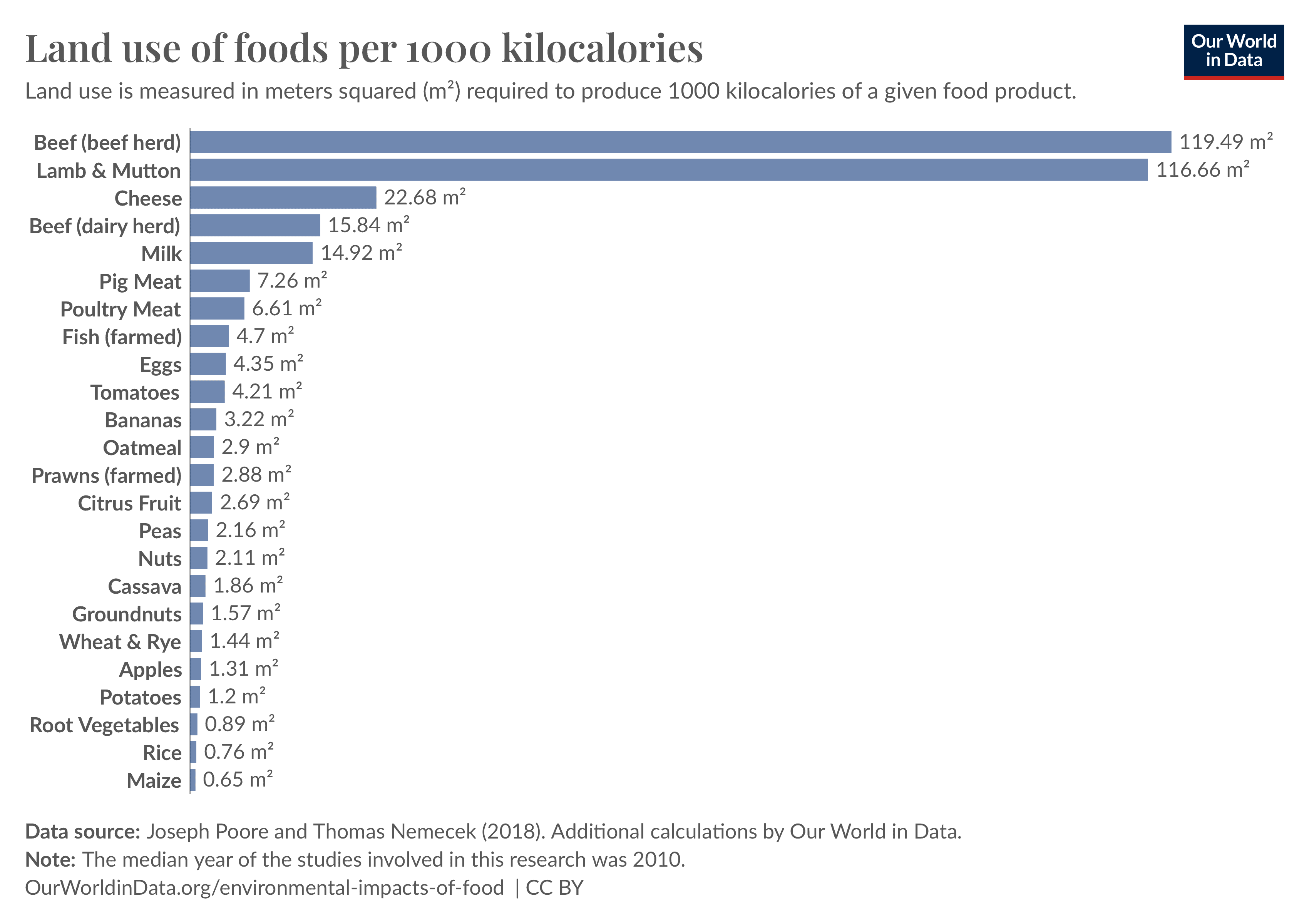
Compassion In World Farming UK, an organization that campaigns peacefully to end factory farming while creating sustainable food systems, examines the issue of food waste and offers suggestions.
“…globally 25% of calories are lost or wasted post-harvest or at the retail or consumer level. In addition, globally 36% of cereals are used as animal feed. However, as we have seen, at most only 17-30% of these calories are returned for human consumption as meat or milk. The effect of this is that 70-83% of the 36% of the world’s crop calories that are used as animal feed are wasted; they produce no food for humans. This means that 25-30% (70-83% of 36%) of the world’s crop calories are being wasted by being fed to animals.”
As the Plant Based Treaty’s Safe and Just report states, reducing food waste is part of a much bigger picture related to food justice. “To address food justice we need to implement food distribution and subsidy systems ensuring healthy food access, especially targeting marginalised communities. Community gardens, providing families with healthy food, redistributing food, and reducing food waste, should be prioritised by local and regional governments.”
Part of the solution is transitioning away from harmful animal agriculture and moving towards a more sustainable plant-based food system. In addition to this, here are creative ways to keep food waste scraps out of landfills and combat the problem at home.
1. Compost the Scraps
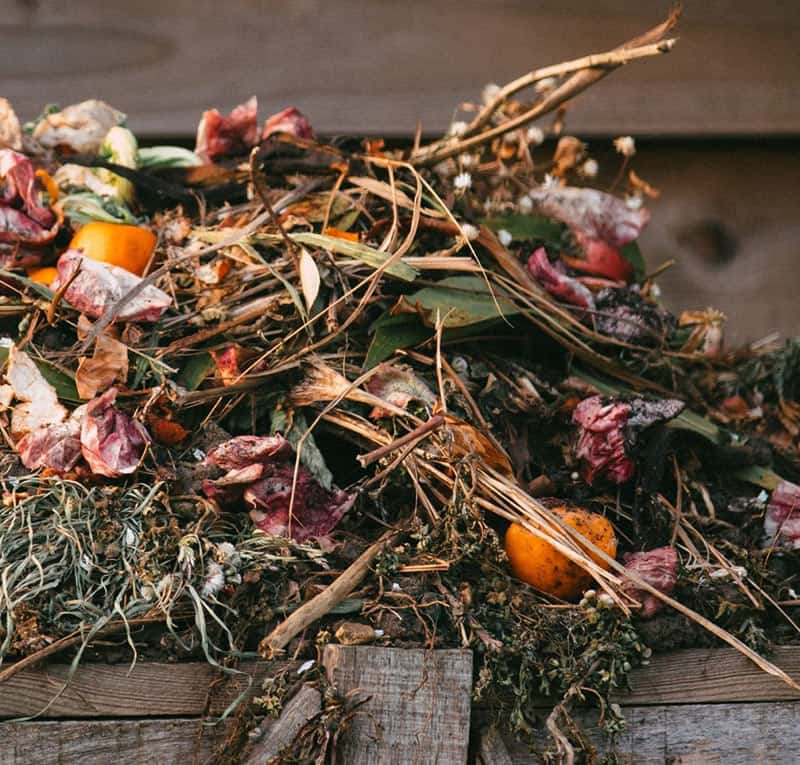
A compost heap is perfect for making food scraps into nutritious soil for your garden. (Photo: Edward Howell / Unsplash)
Turn your kitchen scraps into plant food by composting. If you have a backyard, David Suzuki Foundation suggests raking food scraps over grass, around shrubs, trees, and flowers, or putting it into the soil before planting your own veggies. Tea leaves, veggie peels, and rotten fruit, can all be added to your compost bin. If you can’t compost and your building does not have a green waste collection, check out these useful tips on storing fruits and veggies to make them last as long as possible.
2. Soups, Sauces and Drinks
Extra veggies? Try making a delicious vegetable broth soup out of left over scraps! From My Bowl suggests using onion roots, celery pieces, carrot ends or peels, mushroom stems, tomato ends, stems from leafy greens, and even the core of peppers! Scraps can also be used to make delicious tomato sauce like this one from Zero Waste Family, and overripe fruit can be used for healthy smoothies with your favourite plant milk.
3. Create New Meals

Easy vegan muffins, perfect for using up old bananas (Photo and recipe: Nora Cooks)
We have all ended up with stale bread at some point, but have you tried turning an old loaf into croutons? These Garlic Croutons by Karissa’s Vegan Kitchen are the perfect solution. If you have wilted greens or overripe veggies use them as toppings for pizza; create a delicious hash using leftover potatoes; or try making your own kimchi from cabbage scraps. Veggie scraps can also be added into your next stir-fry, sauteed entrée, added to falafel batter, mixed with rice or lentil dishes, and used for homemade veggie chips. Overripe bananas are the perfect ingredient for your favourite banana muffin recipe such as this one by Nora Cooks.
4. Snacks for Companion Animals
Companion animals can benefit from leftover food scraps too! Speak to a vet or research what foods are safe to avoid feeding them anything toxic. Some dogs love sweet potato peels as a snack that can be baked in the oven until crispy. Other scrappy ideas include kale, broccoli, carrot, and cabbage for additions to their dog food after being steamed or dehydrated. Or try making homemade applesauce for dogs by steaming apple scraps with water, blending it together to form a puree, and freezing servings in ice cube trays for the perfect healthy treat. After all, vegan dogs love their fruits and veggies too.
5. Cleaning Supplies And Air Fresheners
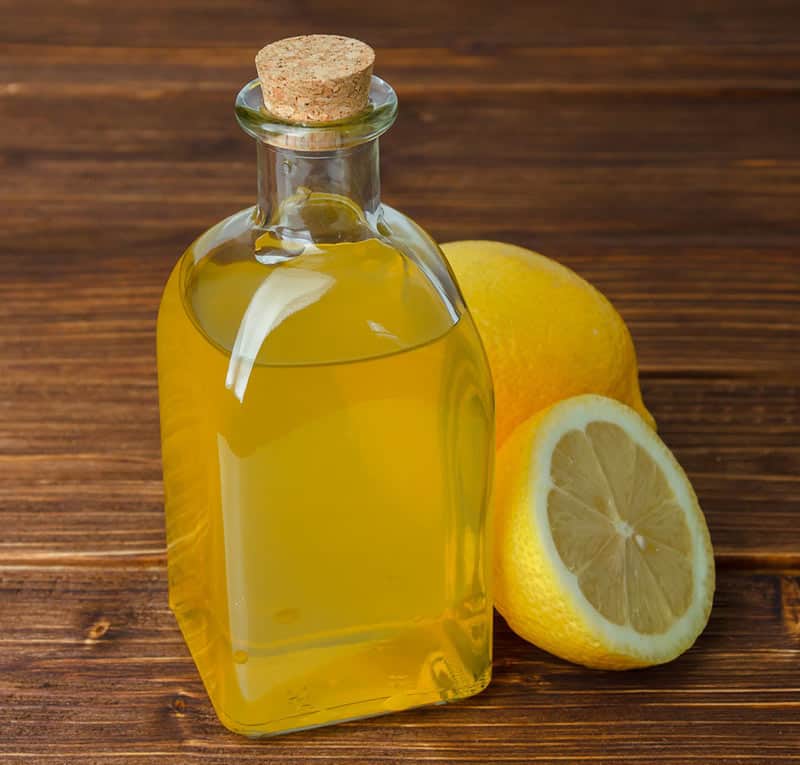
Lemon peels can be added to vinegar to make a zero-waste and non-toxic cleaner for your home (Photo: Freepik / 8Photo)
Skip store bought chemicals and make your own cleaning supplies from food scraps. David Suzuki Foundation suggests adding lemon and orange peels to vinegar to create an antibacterial spray to use around your home. Or try using these same peels in addition to grapefruit and lime peels for a homemade air freshener by baking and storing them in a glass jar for DIY potpourri. Or for a quick kitchen refresh, simmer citrus peels with water, spices, and cinnamon and your home will smell delicious.
Don’t forget to sign the Plant Based Treaty and check out the campaign hub!

Miriam Porter is an award-winning writer who writes about veganism, social justice issues, and eco-travel. Miriam currently lives in Toronto with her son Noah and many rescued furry friends. She is a passionate animal rights activist and speaks up for those whose voices cannot be heard.
More from the blog

Beyond Fossil Fuels in Santa Marta: The Importance of Ambitious Action for Climate Governance
By Miriam Porter

Fighting Hypertension With The Power of Plants
By Miriam Porter

Obesity Is An Epidemic: Join Our 30 Day Green Smoothie Challenge
By Miriam Porter